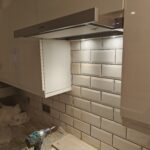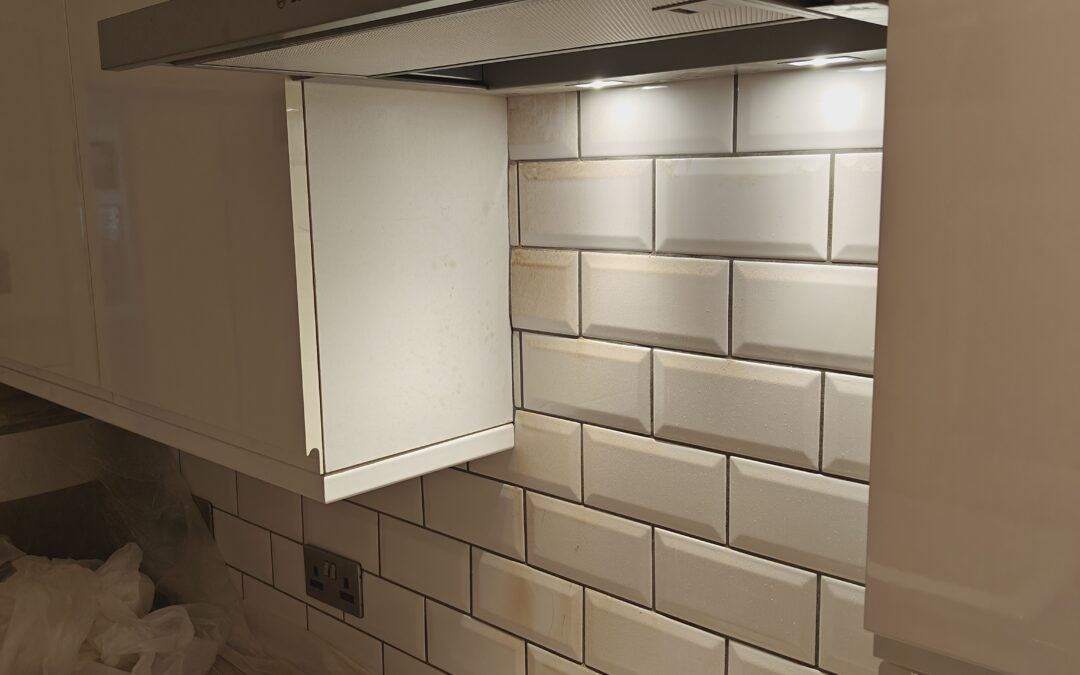
Extractor Hood in Kitchen is a vital part for me and my family. They pull cooking steam, grease and odors and expel them directly outside through the venting.
- Cleaner Air for Your Household
Cooking is one of the great pleasures of home life. It fills the house with wonderful smells, brings family together, and gives us a creative outlet. But every time a pan sizzles, a pot boils, or toast browns, the kitchen releases steam, grease, odours, and fine particles into the air. Without a proper way to remove them, those byproducts settle on your walls, cabinets, curtains, and lungs. An extractor hood, sometimes called a cooker hood or range hood, is the simplest way to deal with the problem. Here is why it is one of the most worthwhile upgrades you can make to your kitchen.
- Less Grease on Every Surface
Anyone who has cooked without ventilation knows the sticky film that builds up on cabinets, backsplashes, light fittings, and window frames. That film is cooking oil vapour that has cooled and settled. An extractor hood pulls much of it out of the air, which means your kitchen stays cleaner for longer and you spend less time scrubbing. Your paint, tiles, and cabinetry will also look better for years, which helps protect the value of your home.
- Fewer Lingering Odours
Fried fish, garlic, curry, and burnt food can leave a smell that hangs around for days and seeps into sofas, carpets, and clothing. An extractor hood removes odours while you cook, so the smell does not have a chance to spread. Many models also include carbon filters that neutralise smells before air is recirculated, which is helpful if your kitchen cannot vent outdoors.
- Protection Against Moisture and Mould
Boiling pasta, steaming vegetables, and running the dishwasher all add moisture to the air. When that humidity has nowhere to go, it condenses on cold surfaces such as windows and exterior walls. Over time, this encourages damp patches, peeling paint, and mould, which can damage the structure of your home and affect indoor air quality. Extracting steam at the source keeps humidity levels in check and helps protect your property.
- Better Comfort While You Cook
Heat, steam, and smoke can make a kitchen feel stuffy and uncomfortable very quickly. A good extractor hood keeps the air fresh and cooler, so you can cook for longer without feeling overwhelmed. It also improves visibility by clearing the haze that often forms over the hob, which makes cooking safer and more enjoyable.
- Increased Safety
Excess grease and heat are real fire hazards in the kitchen. Extractor hoods reduce the amount of grease that accumulates on surfaces and around appliances, lowering the risk of flare-ups. Models with built-in lighting also improve visibility over the hob, helping you monitor food more closely and avoid accidents.
- Added Value for Your Home
Kitchens are among the first rooms buyers and renters look at. A stylish, well-integrated extractor hood signals a thoughtful, modern kitchen and can make a strong impression during a viewing. Whether you plan to sell in the near future or simply want a more enjoyable space, it is a relatively modest investment with a noticeable return in both comfort and appearance.
I have been observing over the years that many properties in uk have got Kitchen extractor Hood’s but not many have the venting outside, which make’s them completely not usefull. Some of them are with filter recirculating the same air within the kitchen, but from personal experience I found them completely useless.
Extractor hood’s need to be powered up that’s where an electrician can come in hand to help with supplying power to extractor hood but as well do the whole installation.
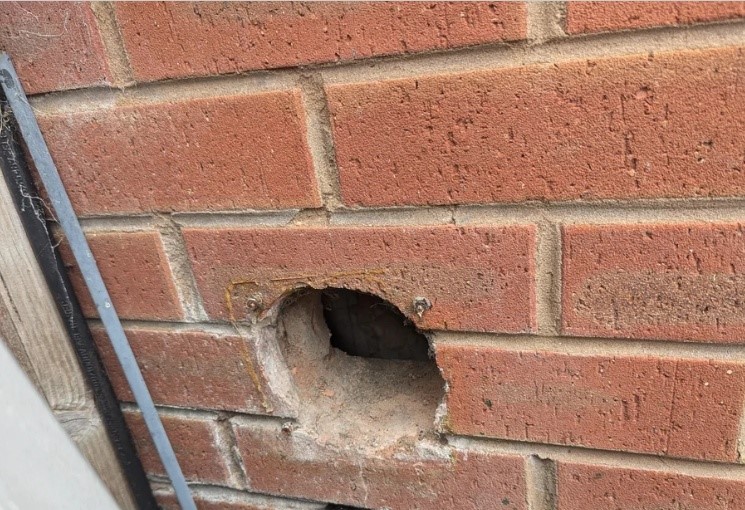
In many occasion it can require a hole to be done, when there is none in place. See picture Below. The hole is usually core drilled.
Tips for Getting the Most from Your Extractor Hood
- Switch it on before you start cooking and leave it running for several minutes after you finish.
- Choose the right size. As a general guide, the hood should be at least as wide as your hob, and ideally a little wider.
- Clean or replace filters regularly. Clogged filters reduce efficiency and can become a fire risk.
- Position it correctly. Follow the manufacturer’s recommended installation height for your hob type.
- Vent outdoors where possible. Ducted extraction is generally more effective than recirculation.
Final Thoughts
An extractor hood is one of those upgrades you may not notice day to day, but you will certainly feel the difference. It keeps your air cleaner, your kitchen fresher, and your home better protected from grease, moisture, and odours. Whether you are renovating from scratch or simply looking for a practical improvement, installing an extractor hood is a smart step toward a healthier and more enjoyable kitchen.
Bibliography:
For More information Approved F document Volume 1 is the best knowledge to look at, and you can find it at the following link: https://assets.publishing.service.gov.uk/media/61deba42d3bf7f054fcc243d/ADF1.pdf
Sources
- American Lung Association. (n.d.). Is cooking making your indoor air unsafe? https://www.lung.org/blog/cooking-air-pollution
- Lawrence Berkeley National Laboratory. (2013, July 23). Pollution in the home: Kitchens can produce hazardous levels of indoor pollutants. https://newscenter.lbl.gov/2013/07/23/kitchens-can-produce-hazardous-levels-of-indoor-pollutants/
- Colorado Department of Public Health and Environment. (n.d.). Information on the indoor air quality implications of using an indoor gas-fueled stove. https://cdphe.colorado.gov/health-impacts-of-gas-fueled-stoves
- Lin, B., et al. (2011). Indoor air pollution from gas cookers and infant neurodevelopment. PubMed (PMID: 22082993). https://pubmed.ncbi.nlm.nih.gov/22082993/